


Dentist
Can Altuğ Kaya
Practicing aesthetic dentistry, laser-assisted dentistry and implant-supported prostheses in Alsancak, İzmir. Founding dentist of Dentorion Oral and Dental Health Polyclinic.
- Born
- 1962 · Zara
- Graduated
- 1984 · Ege University
Gum diseases can present with symptoms such as bleeding, swelling, recession and bad breath. Early diagnosis helps protect dental and gum health.
Periodontal diseases are inflammatory diseases that affect the gums and the other tissues that support the teeth. Periodontal diseases are responsible for more than 70% of tooth loss in adults. When diagnosed early, these diseases can be treated easily and successfully. Preventing or treating gum disease also brings other benefits, such as preserving natural teeth, more comfortable chewing and better digestion. Periodontal disease starts with gum inflammation (gingivitis). In other words, gingivitis is the early stage of periodontal disease. At this stage, the gums bleed, are red and swollen. In the early stage it may not cause much discomfort. If left untreated, the disease can progress to periodontitis and cause irreversible damage to the gums and the alveolar bone that supports the teeth.
Periodontitis is a more advanced stage of periodontal disease. Damage occurs in the alveolar bone along with the other tissues that support the teeth. A "periodontal pocket" forms between the tooth and the gum. The presence of a periodontal pocket makes it easier for infection to settle and for the disease to progress. As the disease progresses, the teeth start to loosen and may even need to be extracted.
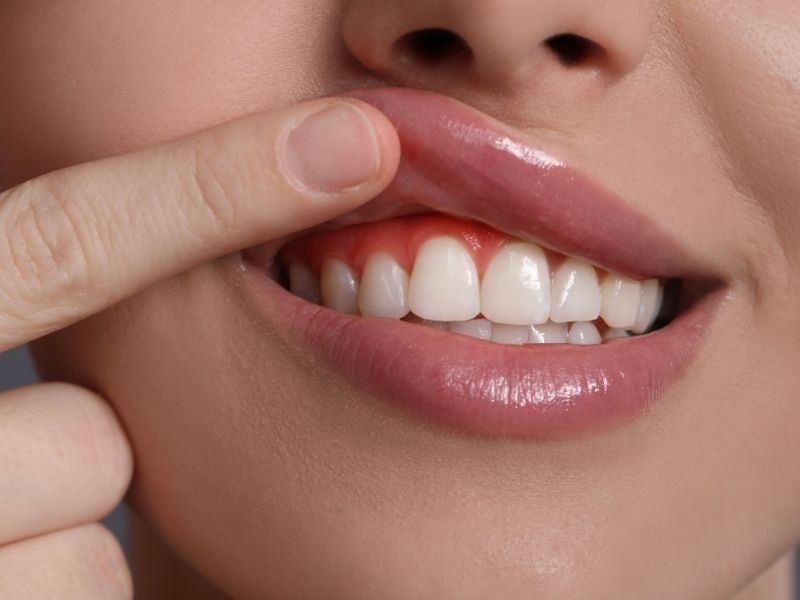
Gum disease has many signs:
However, periodontal disease can also reach advanced stages without showing any signs. That is why it is extremely important to see a dentist at regular intervals.
The main cause of gum disease is a sticky, colorless film that builds up on the teeth, called "bacterial dental plaque". Removing plaque by brushing and flossing every day is a basic requirement for a healthy mouth. If plaque is not effectively removed from the teeth, it turns into a rough, porous deposit known as calculus or tartar. Harmful products released by the bacteria in plaque irritate the gums. Because of these products, the fibers that firmly attach the gum to the tooth break down, the gum pulls away from the tooth and a periodontal pocket forms. This makes it easier for bacteria and their products to reach deeper tissues. As the disease progresses, the pocket deepens, bacteria advance deeper, all the way to the bone, and the alveolar bone that supports the tooth also starts to break down. If the disease is left untreated, the teeth eventually loosen and may even need to be extracted.
The most important role in preventing periodontal disease falls to the individual. To keep teeth healthy, bacterial dental plaque must be removed through daily oral care (brushing and flossing). Visiting the dentist at regular intervals is equally important. Daily oral care can minimize tartar formation but may not prevent it completely. Areas that cannot be reached with a toothbrush, floss or other cleaning tools need to be assessed by a dentist so that existing plaque and/or tartar can be removed.
Gum disease: in its early stage, treatment involves removing the deposits on the teeth (plaque and tartar) and creating a smooth root surface. This removes the bacteria and irritants that cause inflammation of the gums. This treatment is usually enough for the gum to readapt to the tooth or to shrink so that the pocket is eliminated. In most early-stage cases, scaling, plaque removal and root smoothing followed by effective daily oral care are enough for successful treatment. More advanced cases may require surgical treatment. The goal of this treatment is to remove the tartar in deep periodontal pockets around the teeth, eliminate the pocket, create a smooth root surface and shape the gums so they are easier to clean.
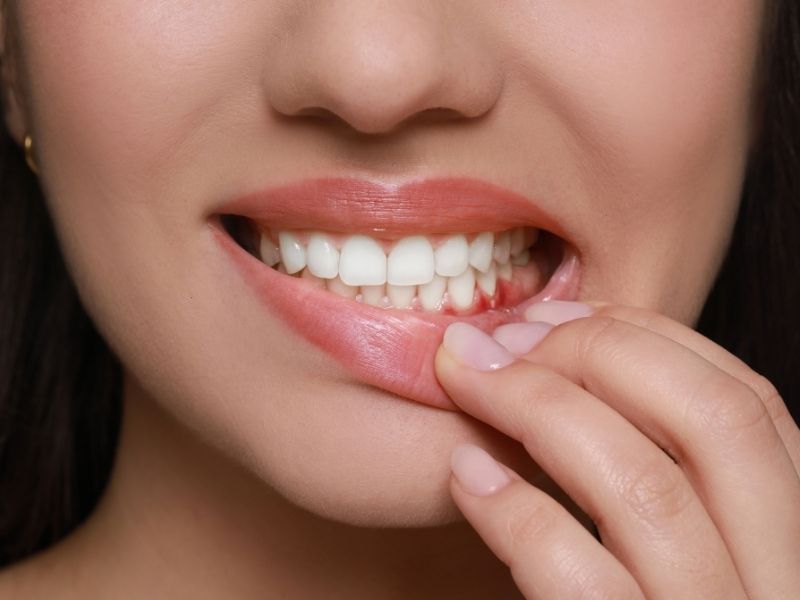
Periodontal treatment should be followed by regular dental examinations, plaque control and removal of new tartar deposits. But remember: to maintain the results of periodontal treatment, nothing is more beneficial than the person carrying out their daily oral care effectively.
Dentist
Practicing aesthetic dentistry, laser-assisted dentistry and implant-supported prostheses in Alsancak, İzmir. Founding dentist of Dentorion Oral and Dental Health Polyclinic.